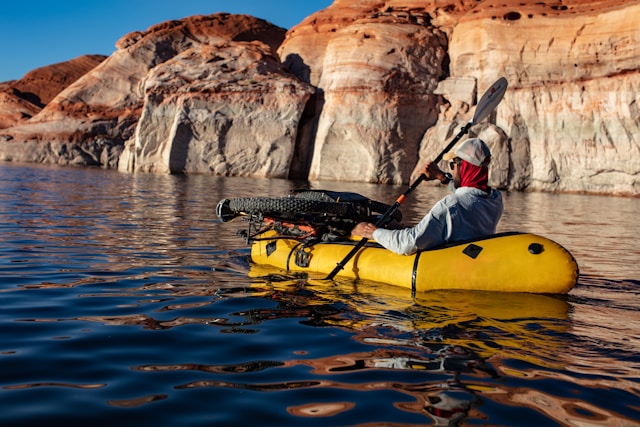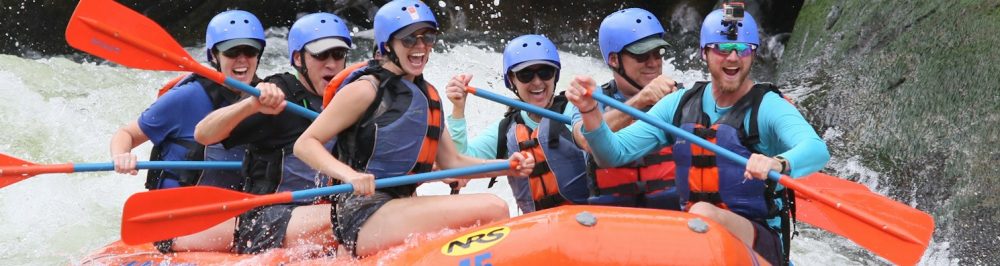

Hey everyone, Anya here! So, you’re thinking about combining camping and packrafting? Smart move! There’s nothing quite like paddling to a secluded spot, setting up camp, and waking up surrounded by wilderness. But… let’s be real, it also means carrying all your gear on your back and in your raft. So, keeping things light is absolutely crucial. I’ve learned a few tricks over the years, and I’m excited to share them with you.
Choosing the Right Packraft: Size Matters (and Weight, Too!)
First off, let’s talk packrafts. Finding the sweet spot between raft weight and performance is key. Think about where you plan to paddle most often. Are we talking calm alpine lakes and the occasional gentle river crossing? Or are you dreaming of tackling something a bit more…turbulent? For those serene lakes, something like the Uncharted Supply Co Rapid Raft or the Alpacka Raft Ghost are great options. But if you want to push into more challenging waters, you’ll need a boat that can handle it. It’s a tough balance. I remember one trip where I opted for a super lightweight raft to save on weight, but then regretted it when the wind picked up on the lake. Lesson learned: don’t sacrifice safety and stability for a few ounces!
And speaking of weight… I recently read an article by Roman Dial (the packrafting guru!), and he’s totally right – packrafts are awesome because they can handle pretty much anything bigger boats can. Of course, that doesn’t mean you should overload them. Now, I know there is no ideal packrafting shelter, but there are a few features I’d recommend having:
- Modularity
- When dealing with cold, wet, muddy, rainy, windy conditions I want to have a shelter that can be set up without an attached inner.
The Big Three: Tent, Sleeping Bag, and Pad
These are your biggest weight offenders, so choose wisely!
For a tent, look for a lightweight one- or two-person model. Single-wall tents are lighter, but can suffer from condensation issues. Double-wall tents offer better ventilation, but weigh a bit more. My personal favorite is a Big Agnes Copper Spur HV UL2. It’s a bit pricey, but the weight savings are worth it, in my opinion. Plus, it’s held up to some pretty gnarly weather!
Sleeping bags… oh, the endless options! Down is lighter and more compressible than synthetic, but it loses its insulation when wet. Synthetic is a good choice if you’re expecting a lot of rain or paddling in colder water.
I saw an interesting piece of gear today – the Mammut Aenergy TR 2 in 1 Shorts. While I still like the Brooks Sherpa, I’ve found the Mammut Aenergy preferable for backpacking. For trips with significant backpacking, this packrafting gear list will need to be adapted.
And don’t forget a sleeping pad! Inflatable pads are more comfortable than foam pads, but they can be punctured. A closed-cell foam pad is a reliable, if less luxurious, option. I’ve used a Therm-a-Rest NeoAir XLite for years and love it – super light and comfortable, but I always carry a patch kit just in case.
Cooking Systems: Fueling Your Adventures
When it comes to cooking, simplicity is key. A lightweight stove like the MSR PocketRocket 2 is a great option. It’s small, reliable, and boils water quickly. For fuel, isobutane canisters are convenient, but they can be bulky. Alcohol stoves are lighter, but they’re less efficient and can be messy. I’ve tried both, and honestly, I usually stick with isobutane for its ease of use, even if it means carrying a bit more weight. On recent trips I bring a 4 or 5 wt rod, a reel with floating line, trout leaders, tippet, a rubber net, floatant, forceps, nippers, and my favorite.
Clothing: Layer Up, Pack Light
Clothing is another area where you can save a lot of weight. Focus on layering – a few versatile items are better than a bunch of specialized ones. A good base layer, a fleece or down jacket, and a waterproof shell are essential. Don’t forget a hat, gloves, and warm socks! I’m a big fan of merino wool for base layers – it’s warm, breathable, and doesn’t stink after a few days of wear. I also never leave home without my trusty Marmot Rain Jacket and MRS Splash Pants, just in case! Oh, and baselayers! Alpine fit of course! Lightweight, long lasting, doesn’t stink, quick drying. Save weight by not needing extra backup clothing.
Other Essentials: Don’t Forget the Small Stuff!
Here are a few other items that are essential for packrafting and camping:
- PFD (Personal Flotation Device): Absolutely non-negotiable! Get a light one! Like the MTI Journey w/ Pocket.
- Paddle: A four-piece paddle is easier to pack. Werner makes some great ones.
- Dry bags: Keep your gear dry! Seriously, this is crucial.
- First-aid kit: Be prepared for minor injuries.
- Navigation: Map, compass, and GPS (if you want to be fancy).
- Repair kit: For your raft and other gear.
- Headlamp: For navigating around camp at night.
So, there you have it – my top tips for lightweight camping strategies for packrafting. It’s all about making smart choices and prioritizing what’s truly essential. With a little planning and preparation, you can enjoy the incredible experience of combining these two amazing activities! And remember, always prioritize safety and be prepared for the unexpected. Happy paddling, everyone!
P.S. – I’m constantly tweaking my gear list and trying new things, so stay tuned for more updates! And feel free to share your own tips in the comments below. I’m always looking for new ideas!
Published on April 4, 2025